smartBench
Closing the laboratory automation education gap – an open, modular, BSL-2 compatible robotic workbench for teaching reproducible lab automation.
The laboratory automation education gap
Life-science students rarely train with automated equipment, and the systems that do exist are hard to transfer between labs.
Hands-on training gap
Life-science students rarely train with automated laboratory equipment or robotic workcells. Engineering students lack exposure to open automation standards and reproducible digital workflows.
Transferability gap
Academic automation setups remain expert-built prototypes tied to tacit knowledge, custom interfaces, and site-specific calibration – hard for anyone else to adopt.
TRL gap
Bespoke systems often stall at TRL 3–4, while education needs transferable TRL 5–7 platforms that are validated and usable by non-experts.
smartBench response
An open, modular reference architecture supporting the transition from manual sterile work to validated robotic execution – cost-effective for both engineering and life-science training.
Reference architecture
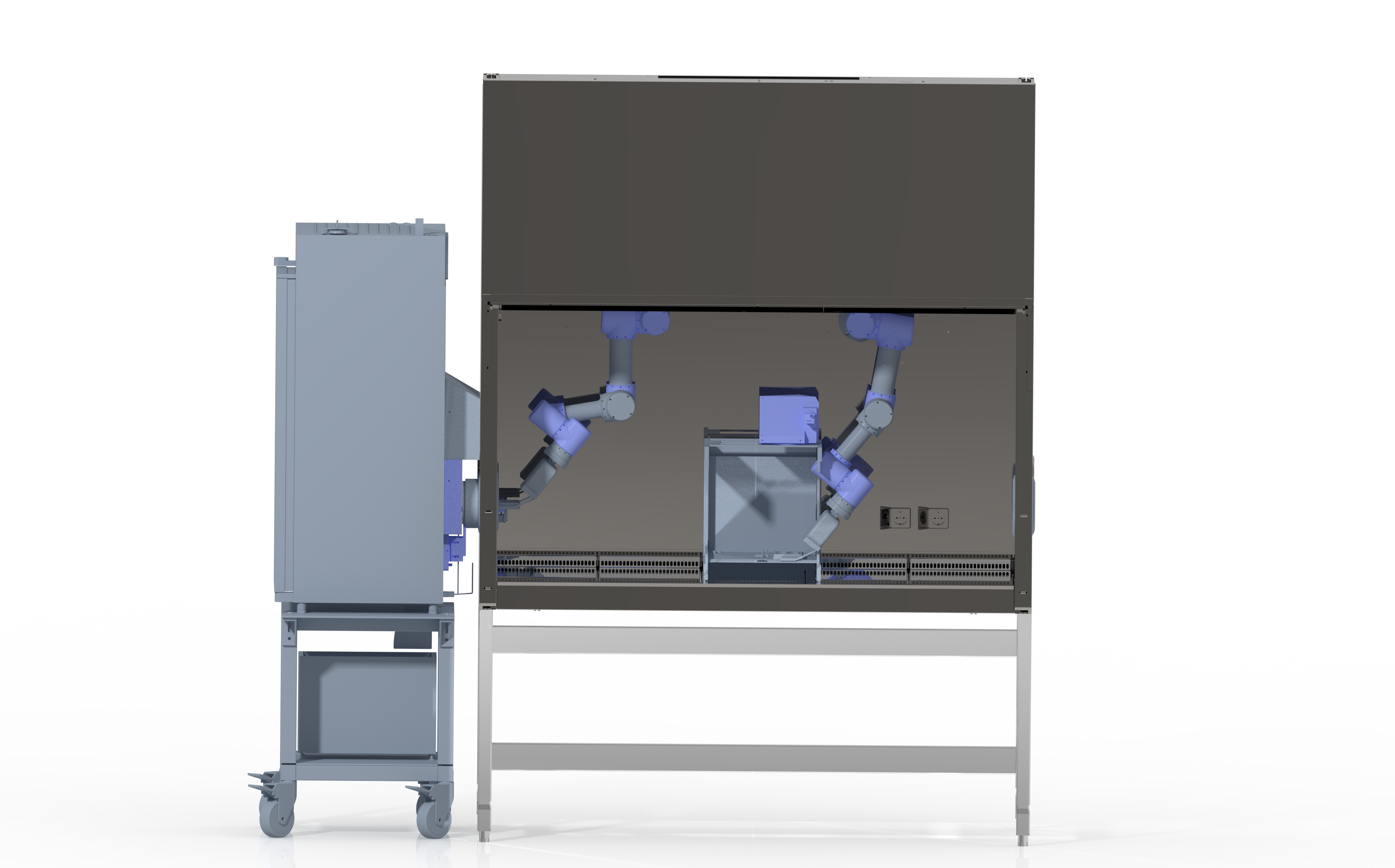
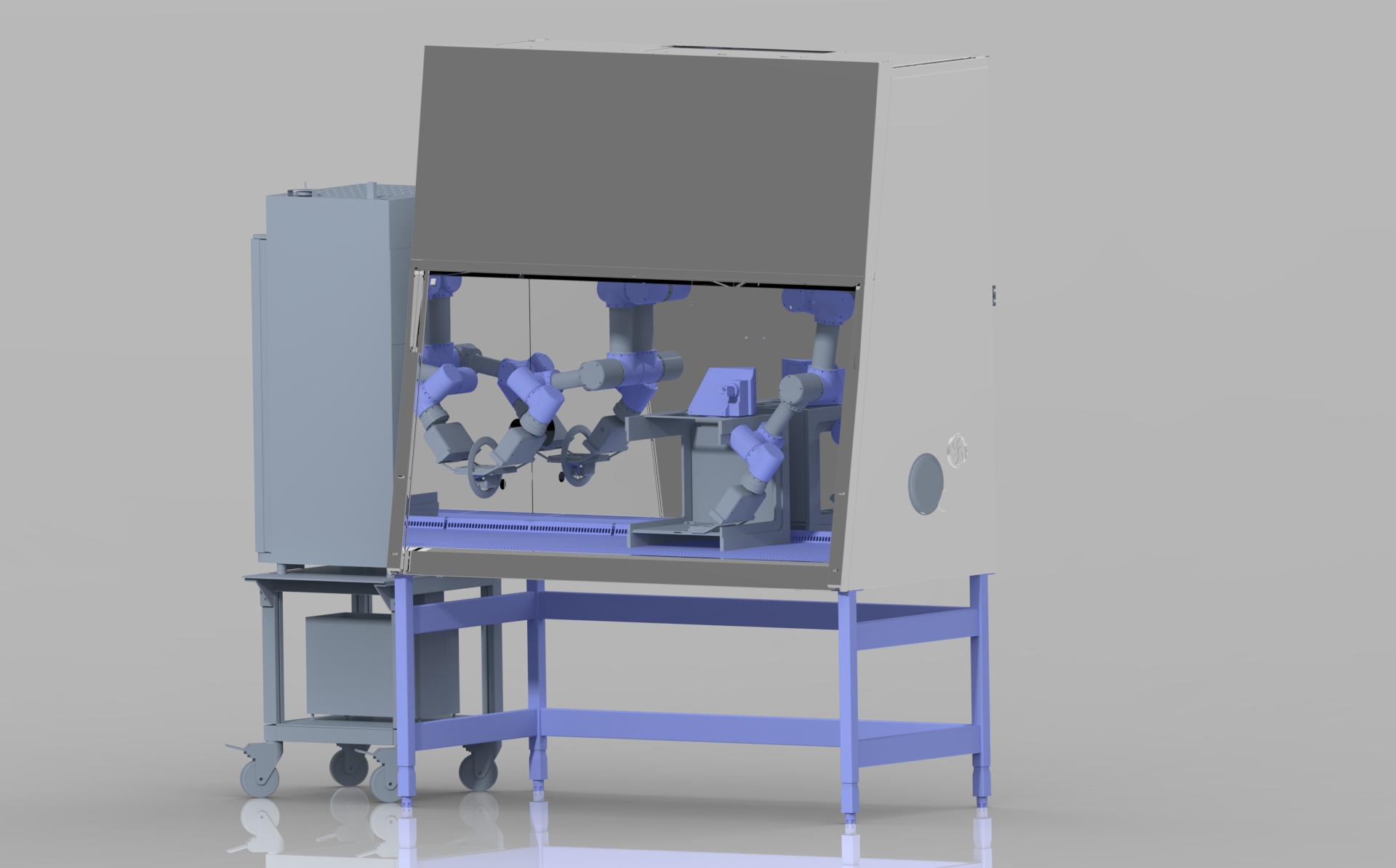
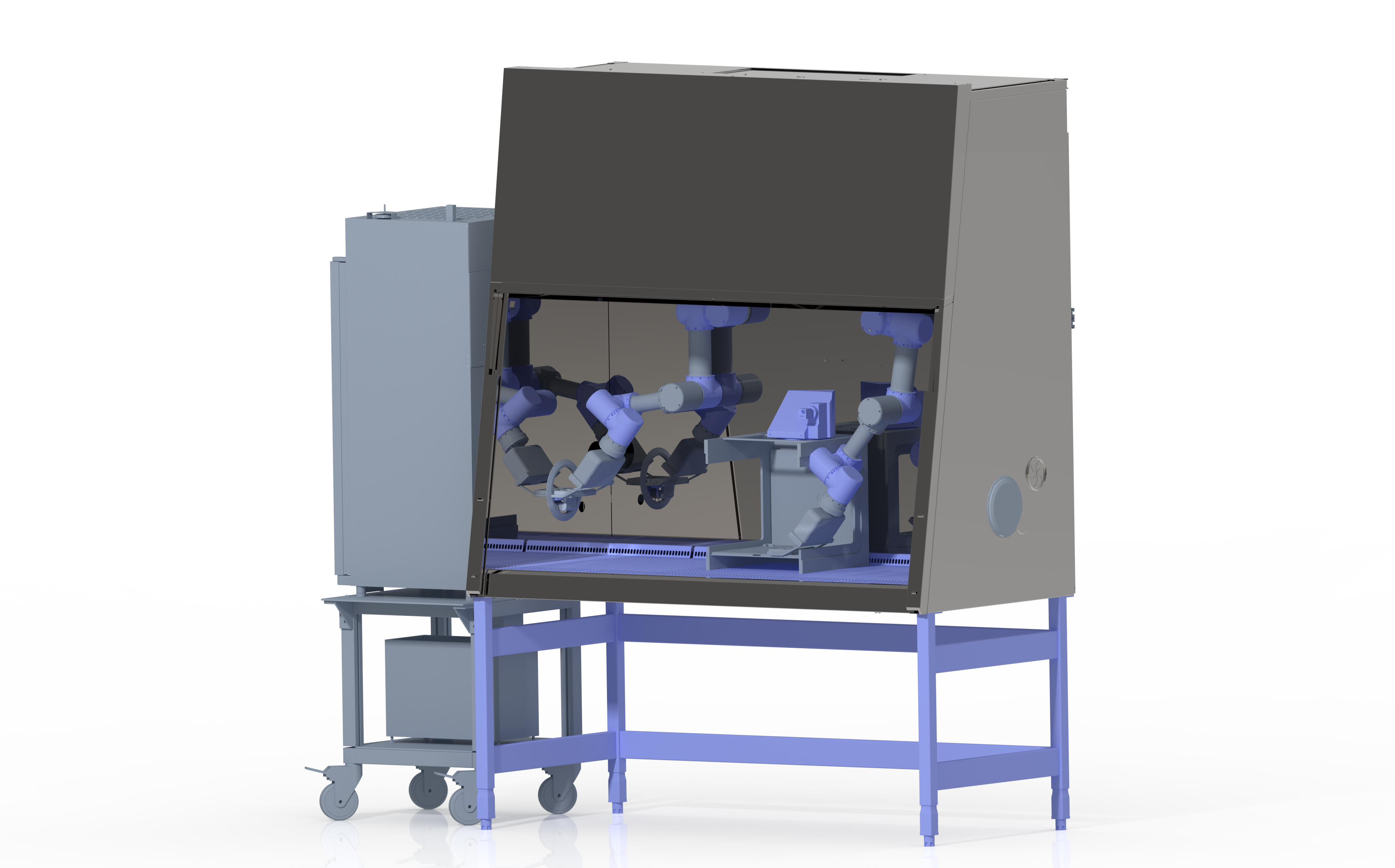
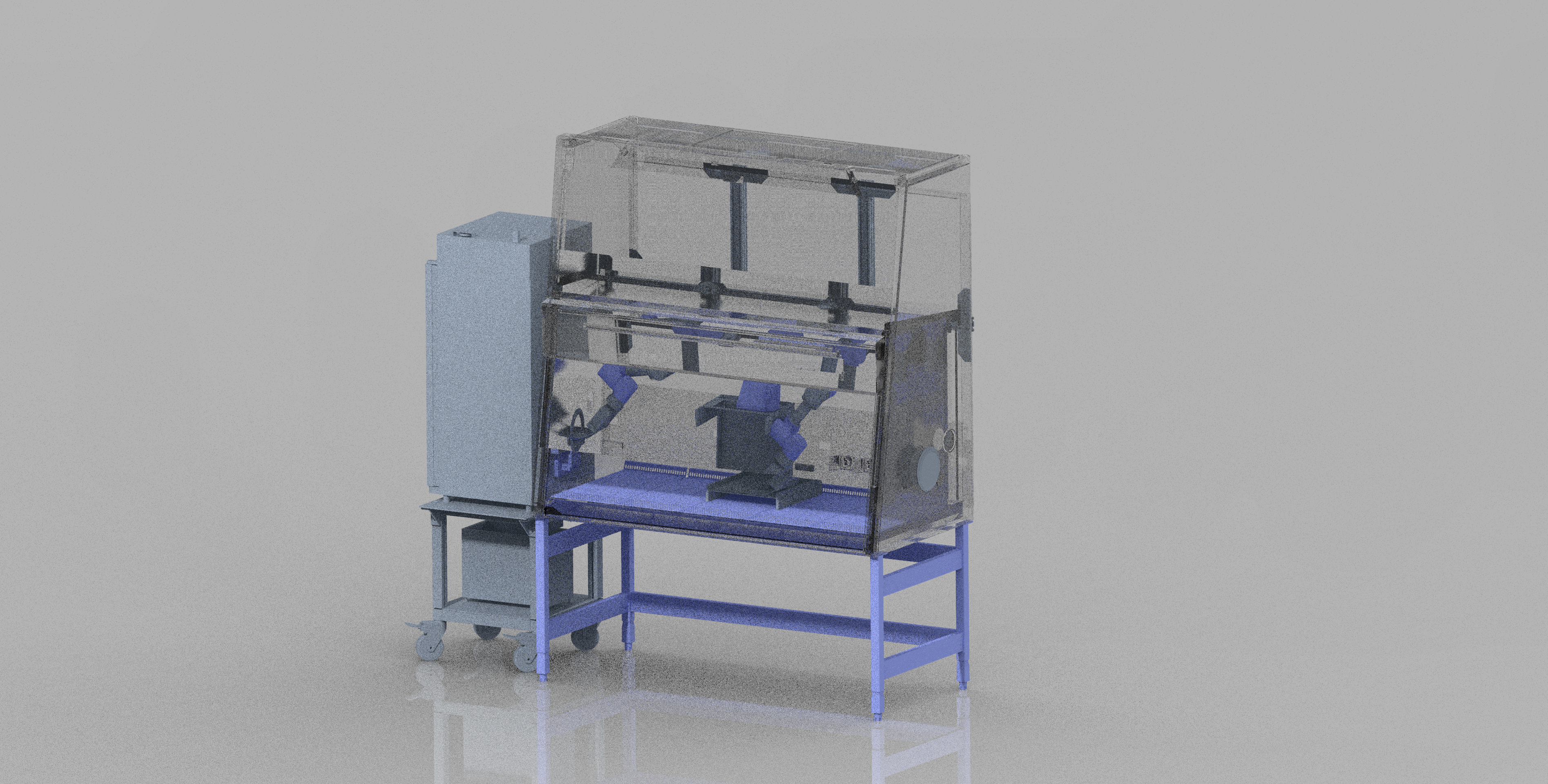
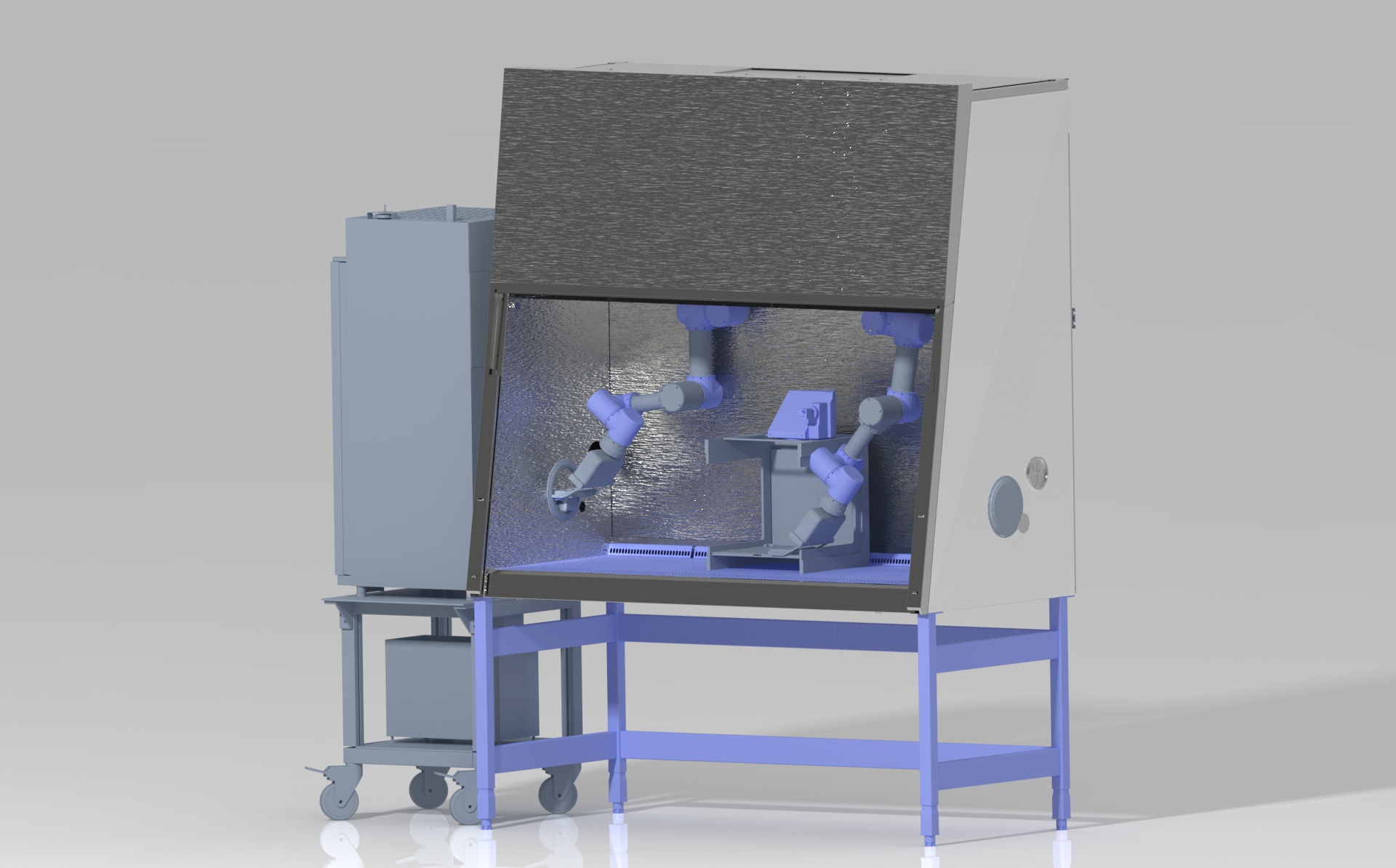
A modular robotic workbench combining a laminar flow hood, dual robotic arms, and interchangeable sterile end-effectors.
Fig. 1 – Concept diagram: laminar flow hood (1), dual robotic arms (2), eye-in-room cameras (3), eye-in-hand camera (4), CrocoGrip end-effector (5), incubator interface (6), microscope interface (7).
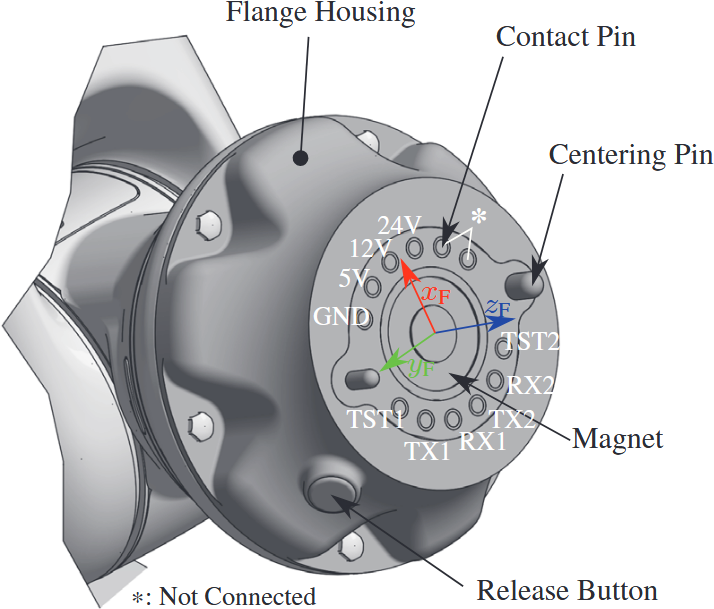
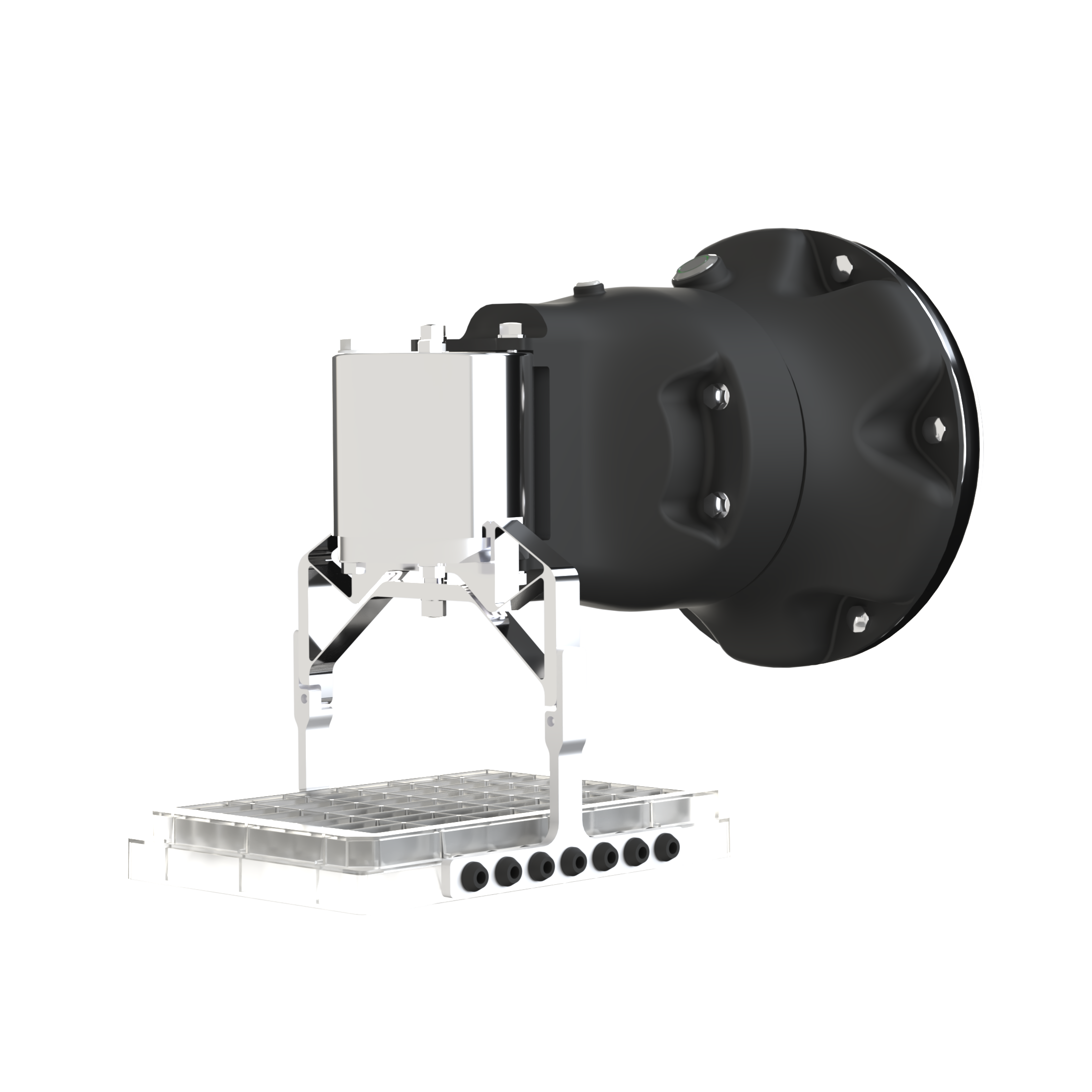
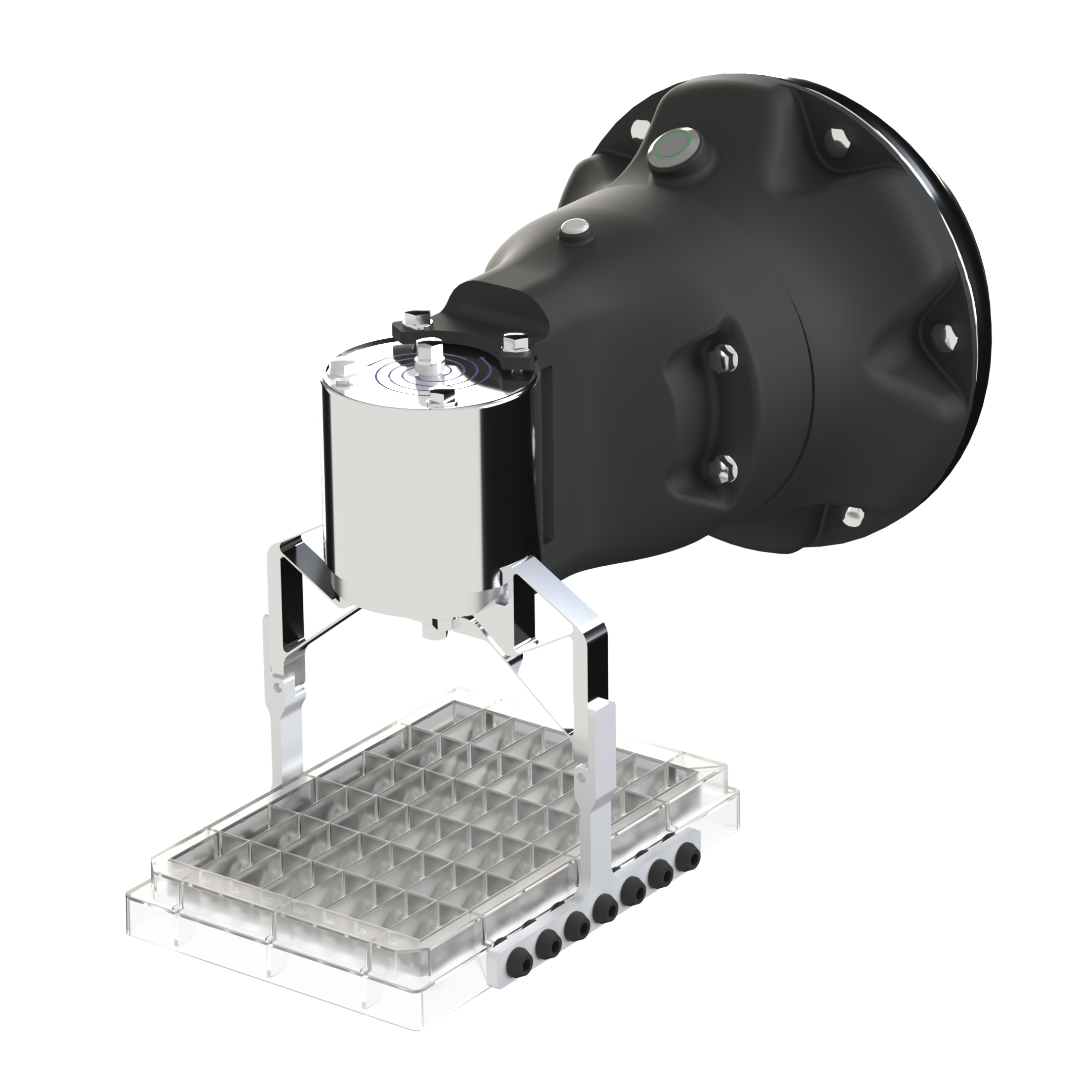
- Standardized tool-changing flange: Tool-free, magnetically locked, 5/24V power and serial comms – swap grippers or pipettes in seconds, not minutes.
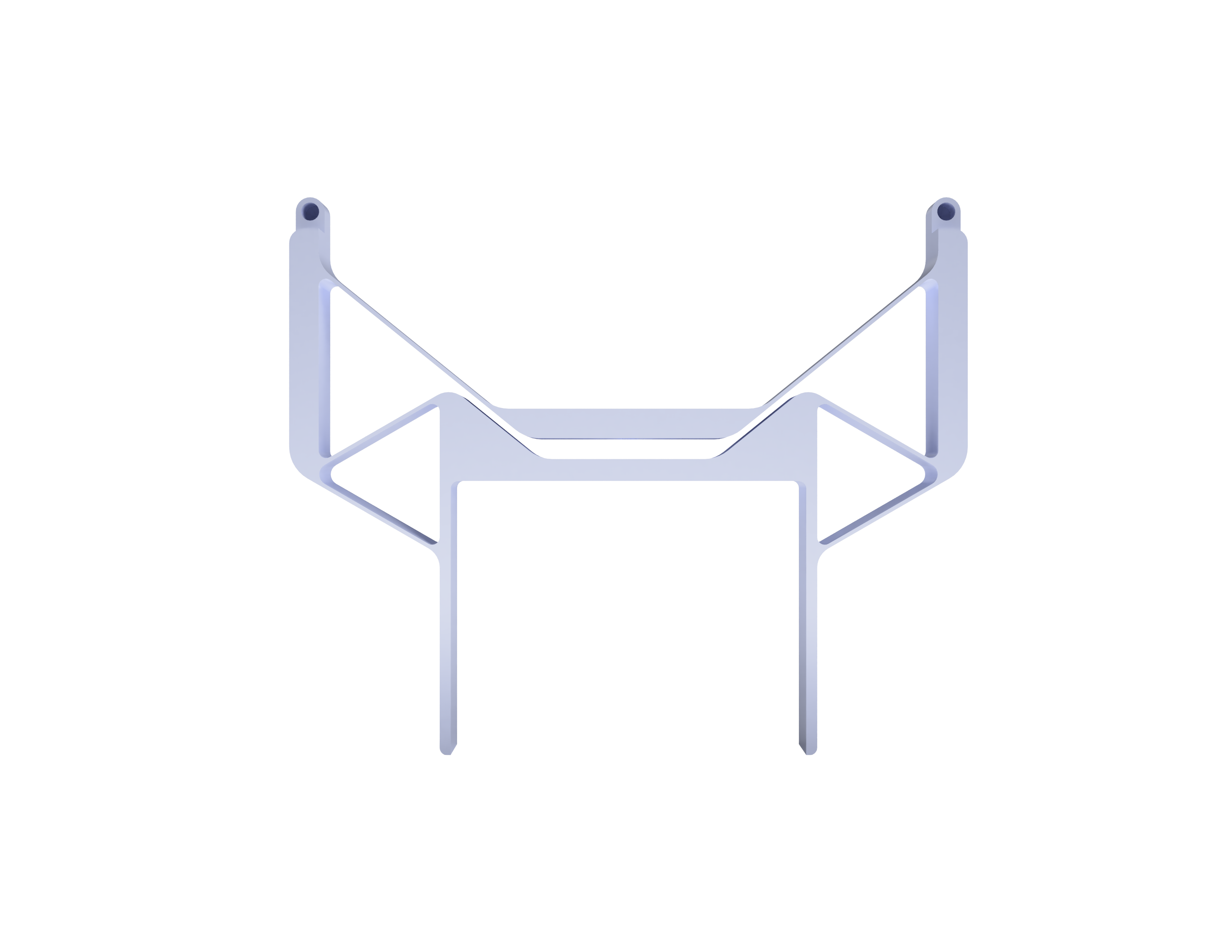
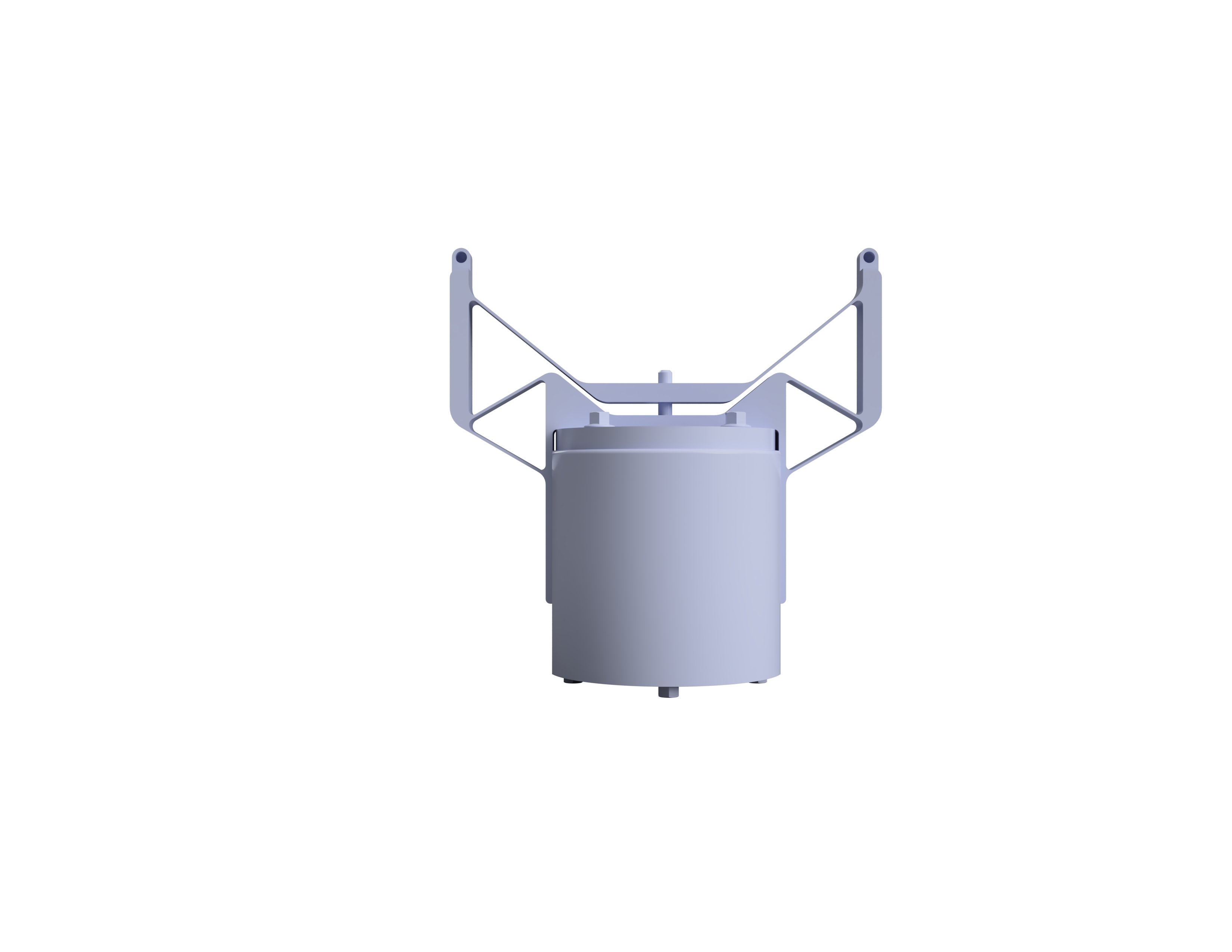
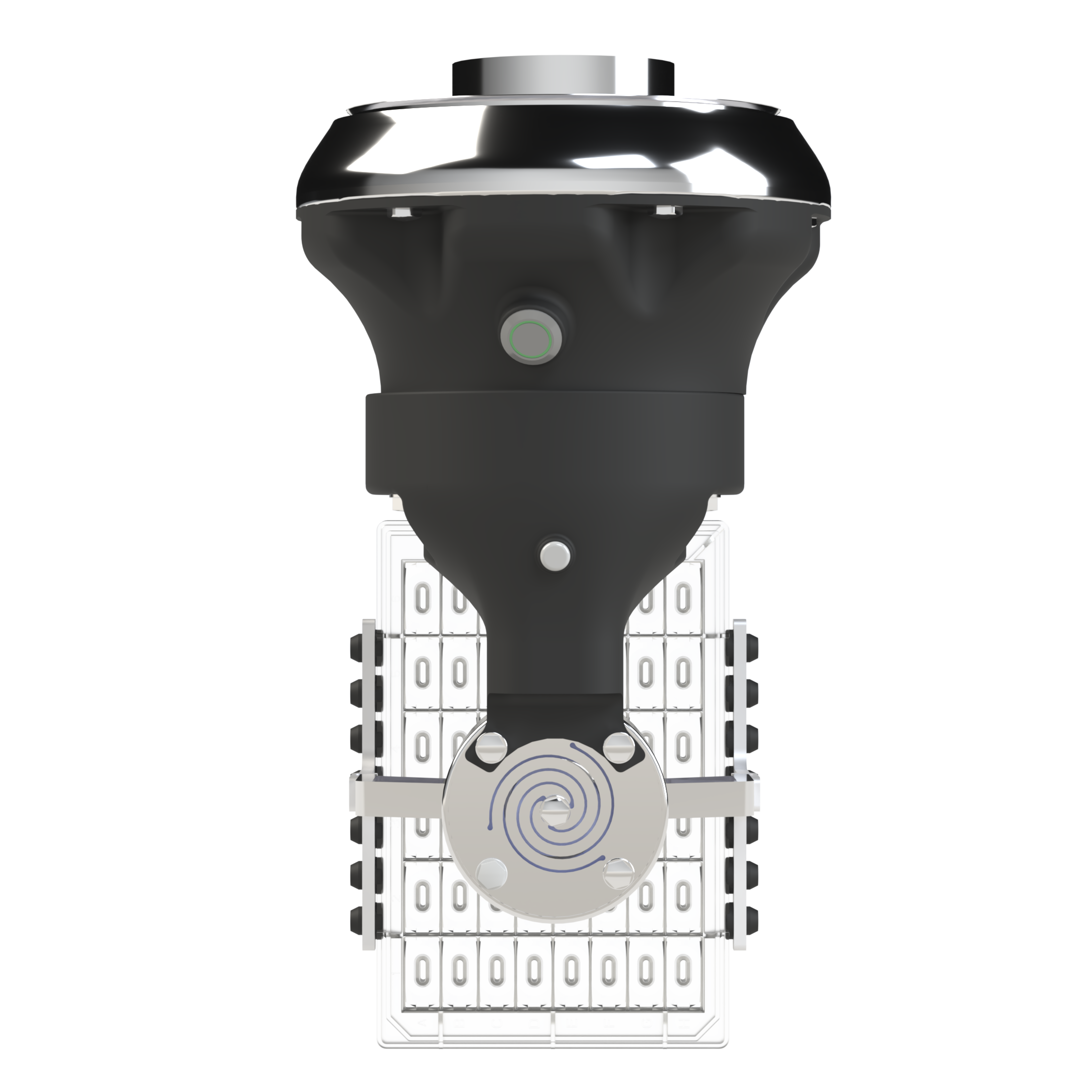
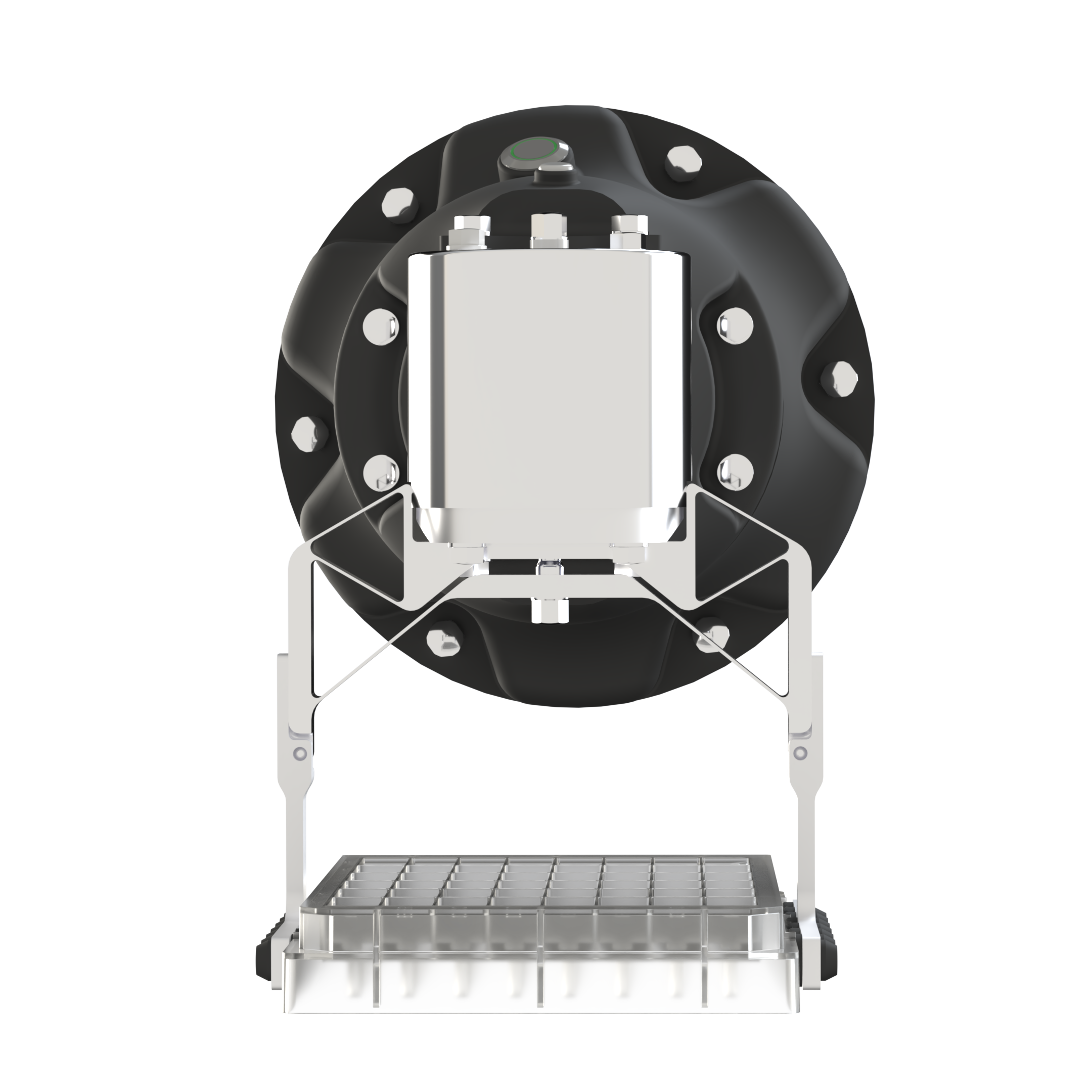
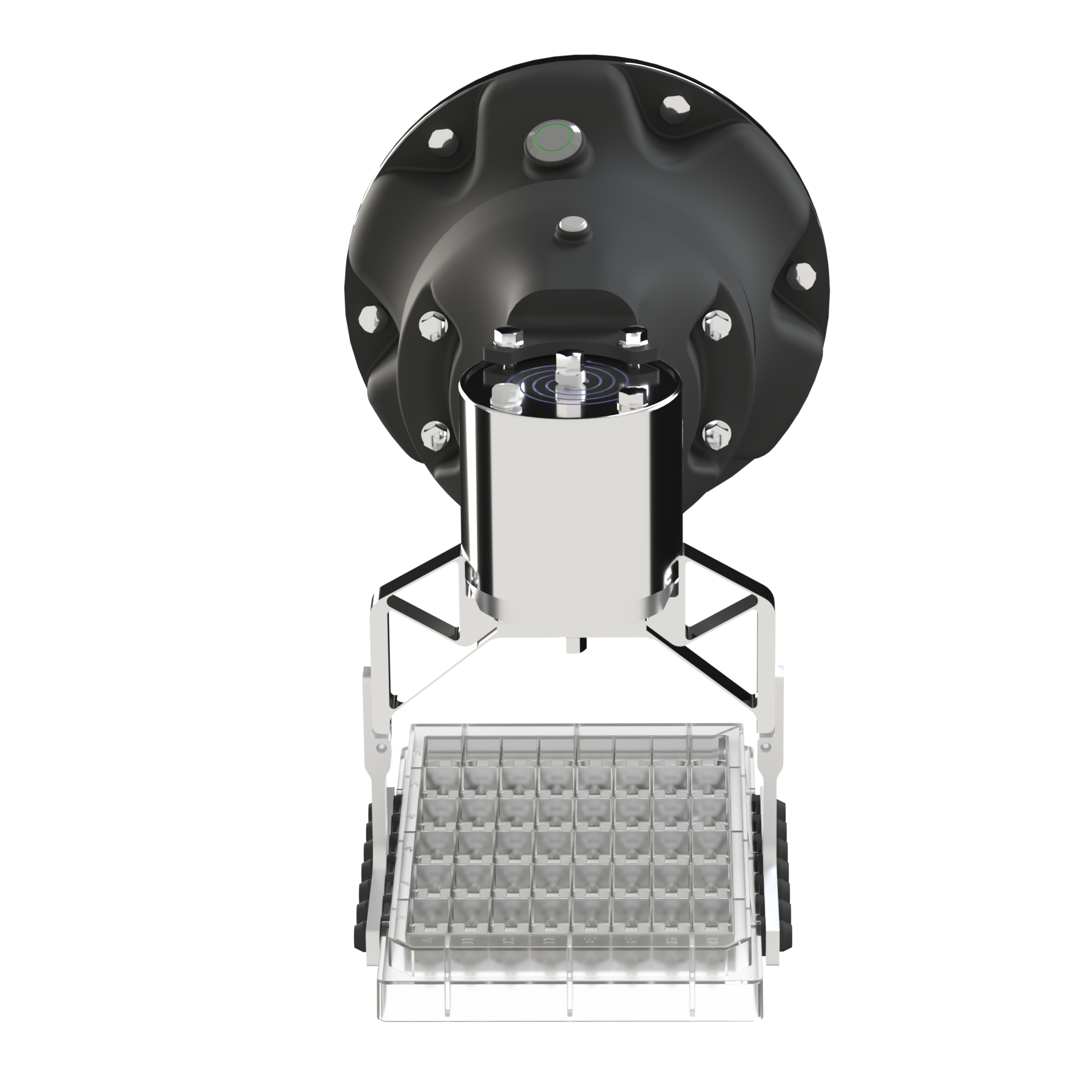
- CrocoGrip end-effector: Compliant-mechanism gripper for low-particle handling of microplates, Falcon tubes, and Petri dishes.
- Four eye-in-room cameras: Passive, multi-view recording of human demonstrations for offline imitation learning – no teleoperation needed.
- Safety-by-architecture: Manual teaching and autonomous execution are separated in time and space, so standard industrial arms can be used safely.
- Open interfaces: ROS2 for robot control and SiLA2 for lab device interoperability – no vendor-specific drivers.
Recognition
The smartBench white paper was accepted to the ICRA 2026 workshop “Accelerating Discovery in Natural Science Laboratories with AI and Robotics,” held in Vienna on June 1, 2026. The team was recognized as Pioneers of Natural Sciences Laboratory Robotics and presented an invited talk and poster.
Cost
Early estimates for a full replication, and the consortium developing the platform.
| Cost element | Estimate |
| Sterile workbench | 8–20 k€ |
| 2× robotic arms | 16–40 k€ |
| 2× standardized flange | 1 k€ |
| 4× eye-in-room cameras | 2–4 k€ |
| AI-enabled compute | 4–8 k€ |
| Total range | 34–94 k€ |
Gallery
Partners